

The Hidden Downsides Of Owning A Highly Intelligent Dog
Jane Jones
DogsDog BehaviorThe Hidden Downsides Of Owning A Highly Intelligent DogByCynthia AnayaMarch 31, 2025 9:25 am ESTkathrineva20/ShutterstockMost people would agree that intelligence is a desirable trait to pursue and to seek in others. Some would also say "yes" if asked if they want a super smart dog, because they assume that intelligence equates to obedience and other positive attributes. Surely an intelligent canine would never chew on furniture or shoes, or try to run away, because they know these behaviors are frowned upon, right? Not necessarily. Having a highly intelligent dog actually comes with some hidden downsides, including boredom-related misbehavior.A few common misbehaviors that dogs exhibit as the result of boredom include shredding pillows, knocking over trash cans (and sometimes chewing on the contents), unrolling toilet paper rolls, and digging holes in the backyard. Working dogs, such as border collies, tend to have a breed instinct to have some type of responsibility — a job. Without a job, they can become bored and begin seeking other things to do to stay busy.Some of the smartest dog breeds in the world include the border collie, German shepherd, English springer spaniel, and Papillon. Being mindful of misbehavior and disobedience risks that stem from the high intelligence of these breeds can help you take a more proactive approach to caring for your pup. These dogs can make great companions, despite the risks, and many of them are popular breeds for families. Here's how you can keep your smart dog occupied.Boredom can lead to misbehaviors, but it's preventableEleganza/Getty ImagesIf you think back to elementary school, you may recall times when the most intelligent students were the ones causing the biggest classroom disruptions. They were usually the first ones to finish their work, so they'd get bored and find ways to entertain themselves. Many highly intelligent dogs are no different. They need more mental stimulation to keep themselves engaged and challenged. Of course, this doesn't necessarily mean that every smart dog will inevitably misbehave. As a loving dog owner, you have many options to keep your canine companion entertained. For physical stimulation, one of the easiest things you can do (if you're able) is take your pup for a walk, play fetch, or play tug of war. You may also want to consider dog-friendly outdoor activities beyond your morning walk, such as swimming, hiking through the woods, and agility training. On a rainy day, or any day, add some mental stimulation by hiding treats in a snuffle mat or puzzle toy, or by giving a peek-a-boo stuffed toy. Giving your dog a "job" or task to do can also help with mental stimulation, preventing boredom behaviors.Adding in mental and physical stimulation can also be a great way to bond with your very smart pup. With sufficient exercise and enrichment activities, your intelligent pup will be less likely to act out, which means you'll be less likely to have to come home to messes and damaged items. You just have to be willing to put forth the effort into creating these opportunities.
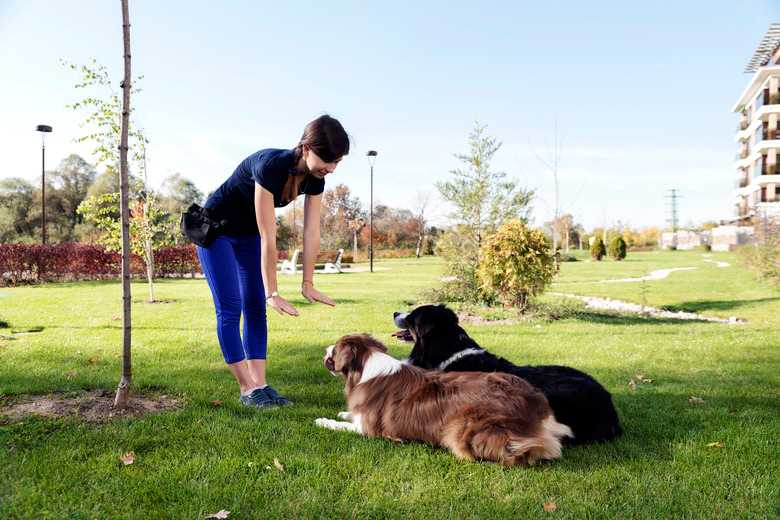
How To Train A Dog With German Commands
Jennifer Davis
DogsDog TrainingHow To Train A Dog With German CommandsByAdrienne FarricelliUpdated Sep 17, 2021Whether you own a dog breed of German heritage or you simply like the sound of German commands, training your dog to understand Deutsche can be a mutually enriching experience. Your first step entails choosing which commands you wish to teach; your second step is learning to pronounce them correctly so that you can speak the words confidently without confusing your dog. After that, it's your dog's turn to learn that from now on "sitz" means sit in German.jarih/iStock/Getty ImagesClarity above allClarity above allA major benefit of training commands in German is that they're easily distinguishable from English. For instance, dogs often hear the words "stop," "come," or "sit" in our everyday conversations out of training contexts, which can be confusing. German commands are clear, distinct, and most likely are commands nobody else will replicate to confuse your dog. That's one reason some law enforcement officers like to stick to their imported dog's native language, whether it's German, Hungarian, Czech, or Dutch.Start dog training earlypayamona/iStock/GettyImagesStart dog training earlyThe best way to train German commands is to start with a puppy. A puppy is a clean slate and can be easily introduced to commands in any language. Simply introduce the German commands as you would with English commands, teaching "sitz" instead of sit. With older dogs who have been trained with English commands, things can get a bit tricky. You'll need to allow time to acknowledge the new commands and associate the desired behaviors of the old commands with the new ones.Lesson 1: Basic commandsLesson 1: Basic commandsYour dog's basic commands are standard commands taught in obedience classes including sit, down, stay, come, and heel. "Sitz" is the German command for sit and it's pronounced just as you read it. "Platz" in German (pronounced "plats") means down. "Bleib" (pronounced "bly'b") means to stay in German. "Hier" (pronounced "hee-er") as the word implies, means come here, and "fuss" (pronounced "fooss") means heel.Lesson 2: Advanced commandsLesson 2: Advanced commandsThese aren't your ordinary commands, but they're helpful if you're planning to do advanced training. For instance, if you're doing agility, you may be interested in training "hopp" (pronounced hup), which means jump, and if you're doing search and rescue, you may be interested in training "gib-laut" (pronounced gib-laout) to train your dog to bark to alert you of his findings.Lesson 3: Training in GermanLesson 3: Training in GermanOnce, you have chosen which commands you want to teach and can pronounce them, it's time to train your dog. Focus on one command at a time. Start by saying the new German command. If you want your dog to learn both, you can follow it with the known English command. For instance, say "platz" followed by "down" and then praise and reward your dog for complying. Repeat multiple times in different environments. When your dog gets it, give plenty of praise.Lesson 4: Testing the watersZbynek Pospisil/iStock/GettyImagesLesson 4: Testing the watersIf your dog already knows English commands, use both the German and English until he makes the association. When you think your dog is ready, you'll want remove the old command so you can rely exclusively on the German one. A good time to do this is when your dog responds to the German command even before he hears the English command.Next, test the waters by saying the German command alone to see if your dog complies. If he does, praise lavishly and reward your dog. If your dog has trouble, try practicing more using both commands.Remember that dogs don't learn language the way that we do and therefore aren't limited in the number of commands they can learn in different languages. It is up to you to be patient and consistent to teach the meaning and expected behavior associated with new words, regardless of the language. They don't know whether you're speaking English, German, or Italian. The main thing they respond to is the sound of the word and the consistency in which it's used.ReferencesDr. P's Dog Training University of Wisconsin Stevens Point: Common Dog Commands in Several LanguagesAmerican Kennel Club: How Much Language Do Dogs Really Understand?Susan Garrett and Say Yes Dog Training: Dog Training Question ~ When Do I Add a Cue?
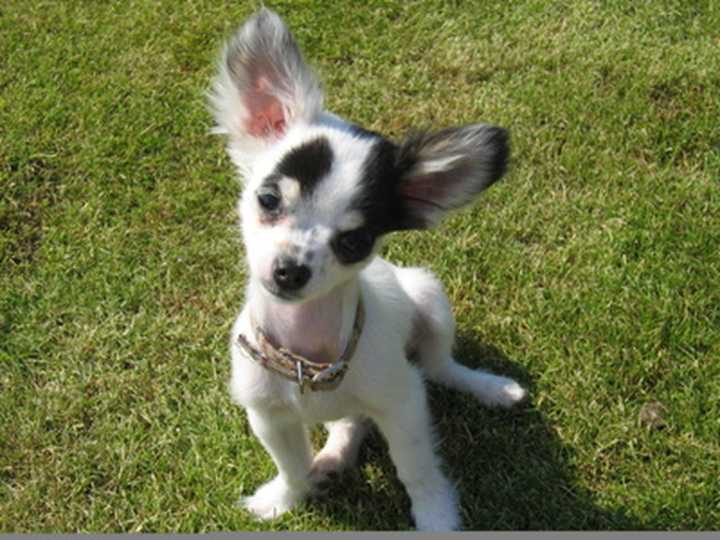
How To Train A Chihuahua Terrier
Sarah Johnson
DogsDog TrainingHow To Train A Chihuahua TerrierByKasey HarganUpdated Jan 10, 2011Things NeededCollar or harnessLeashWarningLimit your Chihuahua's unsupervised outdoor time. The breed's tiny size may make it attractive to large birds of prey or city-dwelling wildlife.Chihuahuas become excited and stressed easily, also causing shivering. Talk soothingly to your dog at all times and strive to provide as calm and stable a home environment as possible.Never strike or yell at your Chihuahua. Not only is this abusive and unacceptable, but it is completely unnecessary.TipAlways make direct eye contact when giving commands to your Chihuahua. Your leadership will inspire confidence in this spirited little dog.Their characteristic shivering is often done to generate body heat. Put a doggie sweater on your Chihuahua on cooler days to keep it warm, even while it's indoors.Use love and praise to train your Chihuahua rather than food rewards. The rationale is simple: if you need the dog to respond to a command in an unfamiliar spot, you may not always have a treat in your pocket, but a kind touch and a reassuring tone are something that are constantly with you.The basic obedience commands of sit, stay and come are vital to your Chihuahua's safety and are good building blocks for other commands and tricks you may want to add later on. Chihuahuas are intelligent dogs and catch on very quickly to new concepts. They are affectionate and loyal in nature and will want to please their owner. Training your Chihuahua should begin immediately as soon as it comes to your home to establish its place in the new pack.Step 1Concentrate on housebreaking first. Other training can wait a few days. Begin immediately upon bringing her home. Even in a fenced yard, leisurely walk your Chihuahua on a leash, allowing time for the dog to get familiar with the new property. Praise lavishly when it uses the bathroom. Your guidance will show that this is the special place "to go". Repeat this several times during the day, and at bedtime. Four or five days is all that's needed to establish a lifelong pattern.Step 2Be the leader. Dogs are pack animals and need a leader. This is simply the canine nature as ordained from the beginning. When you talk to your Chihuahua, it will perk up itsr ears. This simple interaction of you speaking and the dog wanting to listen is a natural demonstration of a dog reacting to leadership. Always be firm and consistent with your commands. Don't leave out the components of love and praise. Even the most temperamental of dogs will respond to a good leader.Step 3Teach sitting by placing your fingertips on your Chihuahua's rump and pushing down lightly while firmly saying "Sit." Leave your fingers in place as it continues sitting and praise the dog. Repeat the command as you remove your hand, allowing it to sit unaided. If the dog gets up, duplicate the previous steps. After a moment or two allow, the dog to get up and lavish with praise for cooperation.Step 4Instruct the dog on the concept of "Stay", showing your Chihuahua the palm of your outstretched hand while saying "Stay." If the dog moves, return it to its original position and repeat the command until it stays in place unaided. As always, give affection to reward your dog's cooperation.Step 5Invite your dog to "Come." Dogs naturally interpret a clap of the hands and outstretched arms as an inviting gesture. Do this motion while enthusiastically calling out "Come Here." After a few times, your Chihuahua will associate the word with the act of going to you. Next, practice saying the word "Come" in a natural speaking tone instead of an excited one and repeat it this way until your Chihuahua will respond to your customary voice level.ReferencesBreed Characteristics

Abandoned Senior Dog's Complete Turnaround After Finding New Family Is Tear-Jerking
John Miller
DogsDog HealthAbandoned Senior Dog's Complete Turnaround After Finding New Family Is Tear-JerkingBySheri RadfordJan. 4, 2026 9:25 am ESTseniordoghenry / InstagramIt was the late comedian George Carlin who famously said, "When you buy a pet, you know it's going to end badly. You just bought a small tragedy." Indeed, a common lament among animal lovers is that pets' lives are too short compared to humans' lives. But that fact didn't stop one man from bringing home a sweet senior dog with cancer, deafness, and blindness in one eye, believed to have mere days or weeks left to live.In a YouTube video published by The Dodo that's been viewed more than 753,000 times, Zach Skow, co-founder of Marley's Mutts Dog Rescue in Tehachapi, California, is shown bringing home shelter dog Henry to live out the remainder of his days in peace and surrounded by love. "I saw them bringing him out of his kennel, and he didn't want to walk. He couldn't hear. He couldn't see out of one eye," Skow says in the video voiceover. "You could just tell he was really confused. I remember the expression on his face. You could just feel his pain."After spending time with Skow's loving family, and after an operation to remove the cancerous growths, something unexpected happens. Henry starts to perk up and walk — then gallop — around the yard, acting excited whenever he sees Skow. Weeks pass, and Henry keeps getting livelier. "He was just totally reborn," Skow adds. When it becomes obvious that Henry doesn't require hospice care but instead needs a new forever home, Skow begins to accept adoption applications for the senior doggo.A forever family for Henryseniordoghenry / InstagramSenior dog Henry's story is not only one of resilience but also one of pure acceptance. "He's going to go out of this world surrounded by love, which is all we could ever ask for. He has made our lives richer while we've had him. And he's going to make the lives of those who adopt him richer," Zach Skow says in the voiceover at the end of The Dodo's YouTube video."He had much life to live and so much love to give...he just needed someone who cared about him," one viewer wrote in the video's comments. Many commenters criticized Henry's original owner for abandoning the elderly dog to a shelter, but others questioned whether the owner had passed away, become too sick to care for Henry properly, or been unable to afford Henry's cancer treatment. Veterinary care is one of the hidden costs of caring for a pet that many people forget about when trying to find the right dog or cat, and a cancer diagnosis is definitely one of the most expensive vet bills you can get if you own a pet. Some owners, when faced with a vet bill they can't afford, have to make the heartbreaking decision to surrender their beloved animal.Henry's new family took him home in March 2021, and he died in June 2022. One viewer of The Dodo's video succinctly captured all of our feelings about this outcome for Henry: "I'm happy to know that he had over a year of love and joy before he passed away."
When To Start Feeding Puppies Solid Food?
Emily Brown
Senior German Shepherd With The Biggest Heart Loves Being Grandma's Little Helper
Emily Miller
How To Make A Clicker For Dog Training
Sarah Johnson
Dogs Are Even Better At Understanding Our Words Than We Thought
Jane Miller
How To Crate Train My 5-Month-Old Puppy
Jane Jones
How To Feed A Small Dog With No Teeth
Sarah Smith

Vet Reveals The Truth About Foster Puppy & Everyone Learns What He Really Is
John Brown
DogsDog NutritionVet Reveals The Truth About Foster Puppy & Everyone Learns What He Really IsBySheri RadfordNov. 22, 2025 9:25 am ESTmythologicaldogs/TikTokWhen Laurel Lingenfelter agreed to foster a puppy named Bruce, she thought she was getting a malnourished bully mix aged somewhere between four and six months. But after Lingenfelter got Bruce home, she started to suspect he was something different. A trip to the vet confirmed her hunch about the sickly but happy pup."Bruce is only 12 weeks old and he's definitely part Great Dane, made extremely obvious from his long legs, build, and tail that is the same length as the rest of him," she said in a TikTok video. "Big breeds like this need a special diet to grow correctly." But sweet little Bruce clearly hadn't been receiving the right type of food, or anywhere near enough of it. "He was found already emaciated, full of worms, and then not given the correct nutrients for his size," Lingenfelter said.Fixing Bruce's dire health situation required Lingenfelter to respond swiftly, but cautiously. She gave Bruce another round of deworming medication and the vaccines he needed, and began feeding him an appropriate type of dog food for his breed. She also started Bruce on a slow refeeding plan. "[Y'all] are doing GREAT!!! There's gonna be some days where it's hard but in the end trust me it's so worth it ... I'm sure he's in very very great hands," commented a TikTok user.What's the best way to help a malnourished dog?Djavan Rodriguez/Getty Images"Bruce is a two out of nine on the Body Condition Score, which is heartbreaking," Laurel Lingenfelter said in the TikTok video. Two Body Condition Score scales are commonly used to express how thin or heavy a dog is. One of the scales assigns a numerical score out of five, while the other uses a nine-point system. Bruce's score indicates an extremely underweight animal.Symptoms of malnutrition in dogs – lethargy, weakness, a dull coat, and visible ribs — can be frightening to witness, and it takes patience to treat a malnourished dog. The reality is that helping a skinny dog gain weight isn't as simple as drastically increasing the amount of food the animal receives. "If a dog this malnourished gets fed too much too quickly, they can die because their body isn't used to the amount of nutrients, so you have to slowly work them up to the correct amount of food," Lingenfelter explained.A slow refeeding plan involves gradually introducing more food in small meals throughout the day and carefully monitoring the effects, to make sure the animal's body is metabolizing nutrients again and to prevent the potentially deadly refeeding syndrome. "It is so hard to foster a malnourished dog and not give them all the food. It's for the best, but it's so hard," a TikTok user commented on Lingenfelter's video. Fortunately for Bruce, he ended up with an experienced foster, and his perpetually wagging tail gives reassurance that he'll be just fine.
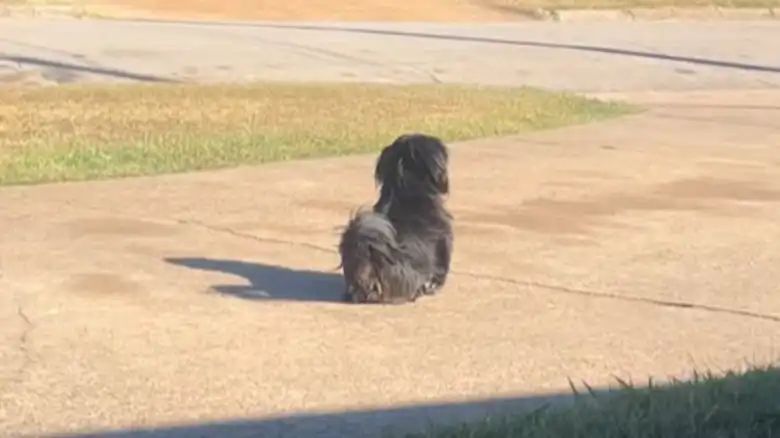
Shih Tzu Waiting For Best Friend To Get Off The School Bus Has Us Saying 'Aww'
Jennifer Brown
DogsDog BehaviorShih Tzu Waiting For Best Friend To Get Off The School Bus Has Us Saying 'Aww'ByCynthia AnayaNov. 13, 2025 9:25 am ESTthenailmadam / TikTokWhen you consider the unconditional love, companionship, and moments of joy that dogs create, we humans really don't deserve these furry angels. Some want nothing more than to be by their owners' side, so when left alone, they might wait by the front window or door in anticipation of their return. Others, like a Shih Tzu named Tux, take the waiting a step further by moving it outside, in front of the house. In a video clip shared on TikTok on October 15, 2025, the adorable pup strolls down the driveway to wait for his little human to get off the bus."Here he come, Tux!" owner Candis says behind the camera as she sees her son approaching. When the boy sees him, he starts running toward the pup, which only increases Tux's excitement and sends him spinning in circles. The dog then gets on his hind legs to greet him — after a couple more happy spins — as his tail uncontrollably wags back and forth.The post has received more than 19,000 likes and counting. Viewers commented on how sweet and cute the interaction was, and how the pair are obviously best friends. Based on a more recent clip shared five days after the one above, it's likely that the driveway waiting and greeting have become Tux's daily routine on school days.What it's like to own a Shih TzuCaíque De Abreu/Getty ImagesAs the video proves, Shih Tzus are very loving, affectionate dogs and aren't afraid to show it. They're also great with children, and not just when they're getting off a school bus. They're typically friendly and social with new people, too. In terms of activity level, Shih Tzus should get play time, plus a walk of about 30 minutes every day for exercise and mental stimulation. These fluffy bundles of joy are pleasantly playful, so visiting the toy aisle of the pet store will be a must.Thinking of adopting a Shih Tzu as a companion for your existing dog(s)? More good news there. The breed typically behaves well with other pups in the same household, although it's still best to supervise the introduction. This is especially important if you have large or territorial dogs in your home that may not warm up to a new, smaller canine sibling as quickly as you'd like.One final important factor of Shih Tzu ownership to consider involves their health. Unfortunately, Shih Tzus are prone to certain health issues, including brachycephalic syndrome, hip dysplasia, and eye problems. The good news is, not every Shih Tzu develops these issues, and on average, the breed has a lifespan of about 10 to 18 years. A veterinarian can provide preventive or treatment options for any concerns to ensure your Shih Tzu is around to greet the kiddos outside after school for as long as possible. Curious about other good dog options for kids? Check out what "type" of dog you should get if you have kids.
The Beginner's Guide To Clicker Training
Sarah Miller
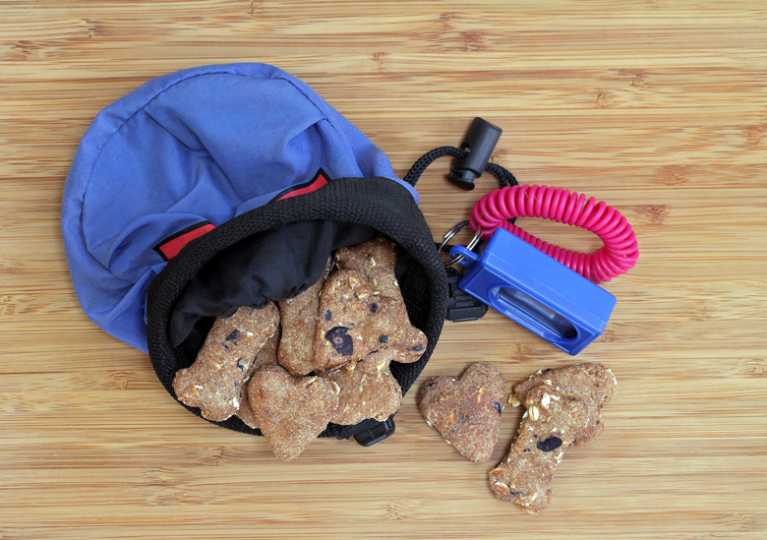
DogsDog TrainingThe Beginner's Guide To Clicker TrainingByKayleigh RobertsUpdated Jul 12, 2022Reviewed by Liv HealyWe may receive a commission on purchases made from links.If you're embarking on your dog training journey, you've probably heard at least a little about clicker training. But what is it? How does it work? And why does it work? Here's everything you need to know about getting started with clicker training.FilippoBacci/E+/GettyImagesWhat is clicker training?What is clicker training?Clicker training is a method of training that involves using a clicker to mark and reward desired behaviors. Instead of just saying "good boy" and trying to shove a treat in your dog's mouth at the exact second he does what you want him to do, you use the sound generated by the clicker to "mark" the moment when the dog does what you wanted him to do, and then offer a reward (usually a treat).Because the dog will come to associate the sound of the click with the reward that follows, the clicker lets you hone in on the exact moment that you're rewarding, which makes it clear to your dog what you want from them.More Like ThisDogsHow To Use a Clicker on a Walk With Your DogDogsHow to Teach Your Dog The 'Peek-a-Boo' TrickCatsTikTok is Wild About the Treat and Train Remote Food DispenserThis article focuses on clicker training for dogs, but clicker training works with almost any pet (and really any animal). You can also use clicker training to teach your cat fun tricks and useful behaviors!Tips for successfully clicker training your dogTips for successfully clicker training your dogIf you've decided to clicker train your dog, there are some things to keep in mind. Here are some helpful tips to make your experience clicker training your dog as productive as possible.Jessica Peterson/Tetra images/GettyImagesThink of it like you're taking a picture: If you're having trouble with the timing of the click, think of it like the snap of a camera. Imagine that you're taking a picture of your dog in the exact moment when he performs the behavior you're looking for. If you're asking for a sit, click at the exact second when your pup's butt hits the ground, for example.But whatever you do, make sure you click at the right moment: Even if the "taking a picture" metaphor doesn't work for you, make sure you get the timing right. If you click too early or too late, your dog will associate the click (and the treat that comes later) with the wrong behavior, which ruins the point.Train in a quiet place: Quiet places with as few distractions as possible are ideal for any kind of training, but they're pivotal in clicker training, which depends on your dog, you know, hearing the click.Only click once per correct behavior: You don't need to click more than once, even if you want to give him more than one treat (like if he does a longer stay than he's ever done before, for example). Just click once and shower with praise and treats.You can also use a marker word instead of a clicker, if you prefer. Choose one short word (most people use "yes!") and say it in the same enthusiastic tone every time. Use this word the same way you would a clicker. This can come in handy if you're out with your dog and not currently in a session dedicated to clicker training. You'll definitely want to continue to use your clicker for training sessions, and training them to understand your marker word of choice can continue positive reinforcement while out and about.Why does clicker training work?Why does clicker training work?In a word: science.Behavioral science, on a basic level, has found that behaviors that are rewarded will continue. Or, as Psychology Today put it, "any behavior that is rewarded will be strengthened and the likelihood that it will appear will increase, while any behavior that is not rewarded will be weakened and the likelihood that it will appear will decrease."Clicker training takes advantage of this basic principle of behavioral science by making it easier for the dog to connect the desired behavior with the reward you give him. This results in a quicker acquisition of new skills for your pup and a quicker path to the joy of a well-trained dog for you.What equipment do I need to start clicker training?rojoimages/iStock/GettyImagesWhat equipment do I need to start clicker training?This one is easy. Clickers are super cheap—you can get a five-pack on Amazon for just $8. Or you can choose to make your own clicker. Other than that, all you need is a bag of your dog's favorite training treats (either small training-specific treats or larger treats that you're able to break up into smaller pieces—you don't want to overfeed your dog while training), a small treat bag that clips onto your belt, and plenty of time and patience.As mentioned above, you also don't have to use a clicker. It's ideal to have a clicker for dedicated training sessions, but you can also use a verbal marker (such as "yes!") for any spontaneous training moments. Don't let the clicker itself scare you away!Charging the clickerCharging the clicker"Charging the clicker" refers to the process of making your dog associate the sound of the click with a treat. Here's how to charge the clicker:Settle in to hang out with your dog, preferably at a time when you're alone. Have a bag of treats and your clicker handy.When you're ready to get started, click your clicker and immediately throw your dog a treat. He'll probably look at you at the sound of the click, even if this is your first time charging the clicker. This process is known as click and treat (C&T for short).Wait until your dog has lost interest in you before you C&T again.C&T randomly for several minutes. It's important to make sure that your dog is doing something different every time you click during a charging session though, otherwise, he might start to associate the click with a specific behavior, which is not what you want. The only focus now is to get him to associate the click with the treat.Make sure you C&T at least 20 times before you pack up for the session.Wait at least two hours, but then do another charging session.rojoimages/iStock/GettyImagesWatch out for these common mistakes when clicker trainingWatch out for these common mistakes when clicker trainingThere are a couple of common mistakes that people tend to make when they first start clicker training:Clicking without treatingWhen you begin a clicker training session with your dog, make sure you have plenty of treats on hand. Whenever you click, immediately offer your dog a very small food treat. Especially in the first months of training, never make the click sound without giving your dog an instantaneous reward. By always accompanying the click with a treat, you can motivate your dog to listen for the clicker and cooperate more closely with you. If you fail to offer your dog a treat reward, he may become disinterested or begin to disassociate the noise with positive reinforcement.Sending mixed messagesThe key principle of clicker training is positive reinforcement. If you combine clicker training's positive reinforcement with negative correction (saying "no" or giving a correction on the leash), your dog will likely feel confused and unsure of how he ought to proceed. Instead, be consistent in your training methods to make the training process as simple to understand as possible.alexei_tm/iStock/GettyImagesIn summaryIn summaryAs with any dog training, make sure your training sessions are no longer than 15 minutes, and stop if your dog seems anxious or distressed. Always give your dog lots of praise and pets at the end of a session, and remember: take your time, don't be afraid to repeat lessons until you're certain your dog has understood and mastered the concept, and be patient!Happy clicking!ReferencesAKC: Mark and reward: Using clicker training to communicate with your dogPsychology Today: Is there something special about clicker training for dogs?The Labrador Site: 5 tips to charging the clicker

How To Get A Dog To Sleep In His Own Bed
David Brown
DogsDog TrainingHow To Get A Dog To Sleep In His Own BedByBarbara Bean-MellingerUpdated Apr 23, 2021Prystai/iStock/GettyImages"My dog won't sleep in his bed anymore — what gives?" you may wonder. Maybe you bought your dog a cushy, cozy bed all his own and he won't sleep in it. Or maybe he used to sleep in it but doesn't want to anymore. Whether your dog is partial to sleeping in your bed, on the floor by your bed, on the couch, or anywhere but his own bed, there are ways to get him to sleep in his own bed and even enjoy it.Make your bed less attractiveMake your bed less attractiveIf your dog has been sleeping in your bed with you, you'll need to be patient as you break this habit. Dogs are pack animals, and you are their pack. They don't like being alone, and being in your bed gives them warmth and comfort. So the first thing you need to do is to make your bed less desirable. When your dog climbs into your bed, don't shower them with the love and affection they expect. Tell them to go to their bed, crate, or whatever you call the spot you've set up for them. When they obey, that's when you bring on the praise, hugs, kisses, and affection. You will probably need to repeat this many times until they get the idea that jumping into your bed gives them no rewards while going to their own bed wins them the praise and affection they seek.Turn your dog's bed into the place to bePolonina Irina/Moment/GettyImagesTurn your dog's bed into the place to beNow you need to make your dog's bed the best spot in the universe. Put his favorite toys in or next to the dog's bed. Add a dog bone, perhaps, or other treats he doesn't get on a regular basis. The idea is to make your dog's bed more desirable than your bed. It will help if your dog's bed is next to your bed, or at least in the same room. That way, your dog, who wants to be near you all the time, can see you, hear your voice, and be comforted by knowing you are close by. It could also help to put an article of your clothing in his bed, like a T-shirt you can part with, because it will have your scent on it.Match the bed to your dog's sleeping styleMatch the bed to your dog's sleeping styleWhen humans look for new beds for themselves, they go to mattress stores and try them out. Lay flat on their backs. Turn sideways if they're side-sleepers, or on their stomachs if that's how they slumber. Determining your preferences for soft or firm mattresses is the key to getting the bed you will want to sleep in every night.It's the same goal for dogs; their beds need to fit their sleeping styles. If you've had your dog for a while, you likely know how she sleeps. Some dogs like to lean against something while they sleep. Some prefer soft and warm beds, while for others, a hard, cool surface does the trick. Take your cue from observing your dog. If you often see him sprawled on the tile floor, look for a hard, cool bed. If she burrows into any blankets she can find, be on the hunt for warm and cozy beds.Beds are sized for small, medium, and large dogs and have small, medium, and larger prices. But it isn't only the dog's size that matters. A tiny chihuahua that sleeps with legs out in all directions might need a bigger bed than one intended for small dogs. On the other hand, a dog that is comforted by feeling the sides of the bed enveloping him all around might like a smaller bed than is customary for his size. And the dog that rolls from side to side in her sleep needs room to roll on both sides.Understand the unique needs of senior dogselectravk/iStock/GettyImagesUnderstand the unique needs of senior dogsAs dogs get older, they tend to get the ailments that accompany age, such as arthritis, hip dysplasia, and more. Dogs that have sore joints or muscles may appreciate beds with orthopedic features that offer more support. Look into all that's available to find what's best for your dog. There are couch-type beds with high sides that dogs can lean their heads, legs, and back on; heated beds; memory foam surfaces; raised platform beds; and low-to-the-ground beds for dogs that have difficulty stepping up onto a higher bed. Be sure the bed you choose has a removable, washable cover to keep the bed clean and hygienic, especially since many senior dogs experience incontinence at least occasionally. There are also beds made of PVC plastic so the whole bed can be hosed down.ReferencesAmerican Kennel Club: How to Teach Your Dog to Go to Their PlaceAnimal Wellness Magazine: How to Train Your Dog to Sleep in His BedCuteness: The 6 Best Beds for Senior DogsCuteness: 6 Major Benefits of Adopting a Senior DogCuteness: Is Your Dog a Picky Sleeper? The Best Beds for Dogs of Every Sleeping Style

The Startling Amount Of Dog Waste That Has To Be Cleaned Up At Every Puppy Bowl
Jane Johnson
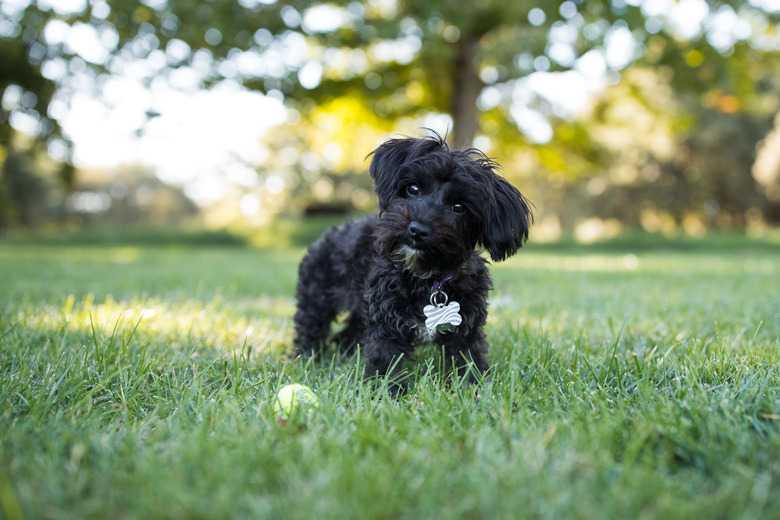
How To Potty Train A Yorkie Poo
John Johnson

Genius Ways To Get Into A Workout Routine With Your Dog
Michael Jones

German Shepherd Puppy Learning How To 'Play Dead' Deserves An Oscar
David Davis
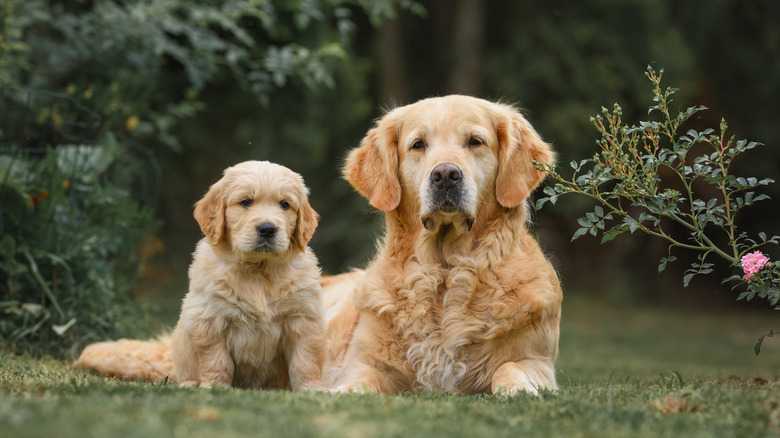
How Old Does A Dog Need To Be To Get Pregnant? It's Younger Than You Think
John Johnson

8 Cute Ways To Celebrate National Dog Day Beyond Basic Puppy Treats
Michael Johnson
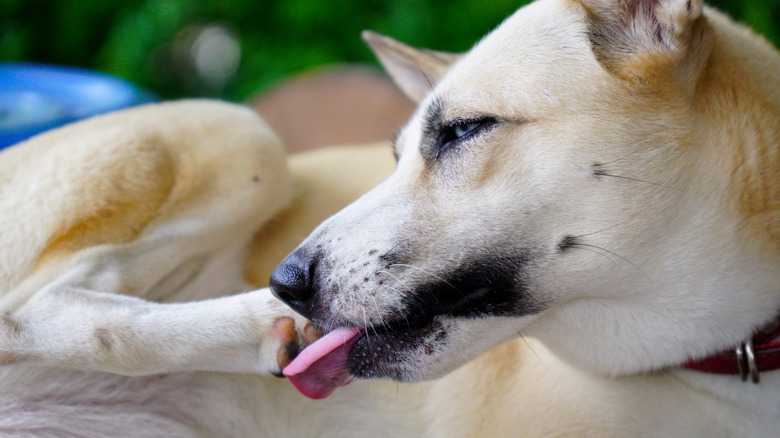
Why Dogs Lick Their Paws: What It Means And When To Worry
Robert Jones
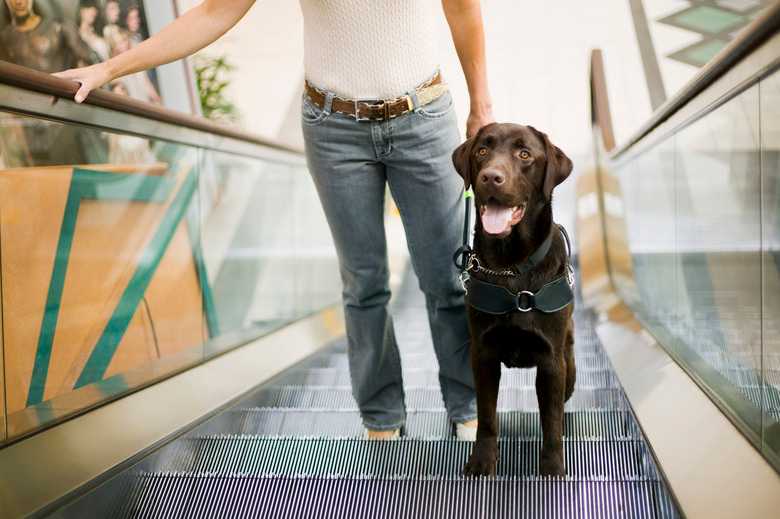
How Can Guide Dogs Help Blind People?
Michael Davis

Potential Risks Of Spaying Or Neutering Your Dog
David Miller
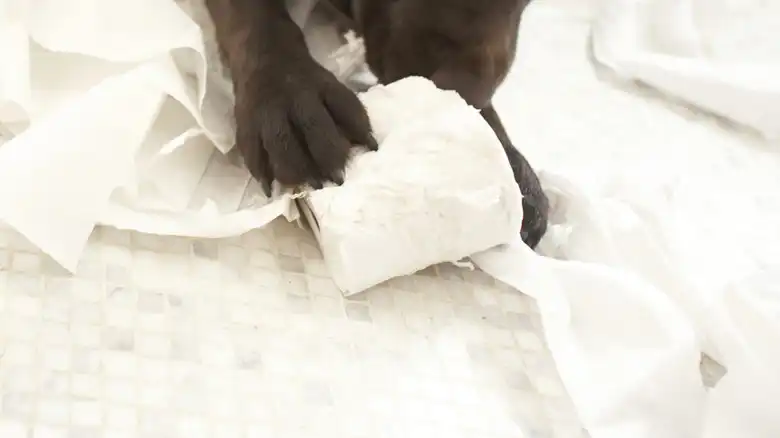
Frenchie Puppy Gets Caught Red-Handed After Causing Major Chaos In The Bathroom
Jennifer Miller
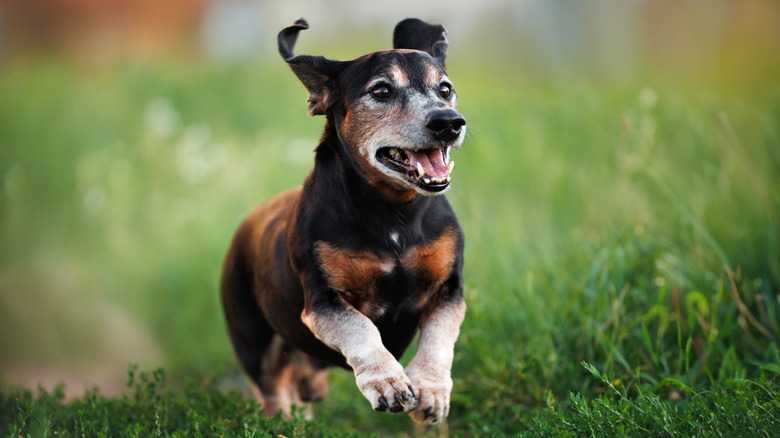
Dogs Hit 'Old Age' When They Reach One Big Milestone
Jane Brown
Chihuahua's Tearful Reaction To Owner Packing For Vacation Has Everyone Sobbing
Michael Johnson
Latest Articles

How To Deal With A Dog's Motion Sickness During Long Drives
John Miller
15 Dogs That Couldn't Be Cuter In Their Wheelchairs
John Williams
You Should Think Twice About Leaving Your Dog Alone Overnight - Here's Why
Jane Smith
How To Properly Raise A Blue Nose Pitbull
Sarah Williams
Tiny 5-Pound Pomeranian Shows No Fear Chasing Black Bear Out Of His House
Sarah Johnson

How To Prevent A Dog From Chewing On Furniture
Jennifer Brown

The Stages Of Pregnancy In A Bulldog
Robert Davis
Is Peat Moss Toxic To Dogs?
Robert Miller

Female Puppies & Nipple Development
John Williams

Why Does My Dog Keep Shaking Its Head? Common Causes & How To Help
Robert Davis